Have you ever walked into a garden and felt instantly calm, like everything just clicked? That peaceful feeling usually comes from careful planning — not luck. The secret often lies in something called garden repetition. When you use repetition in the garden well, your space feels cohesive and intentional. But when you skip it, you get that messy, chaotic look that feels more like a plant sale gone wrong. I've seen it happen countless times, and I've made the mistake myself — stuffing a bed with one of everything I liked. It didn't work. The garden looked scattered, and nothing stood out. So what's the fix? Simple: learn how garden repetition works, and apply it without overdoing it.Repetition in the garden is a relatively easy way to create structure, flow, and a balance between shapes, textures, and colors. Don't let the word intimidate you — creating garden repetition is straightforward once you understand the basics. You don't need a degree in landscape design. You just need to notice what works and repeat it thoughtfully. Let me walk you through how to do it right, what to avoid, and why this principle makes such a huge difference in how your outdoor space feels.
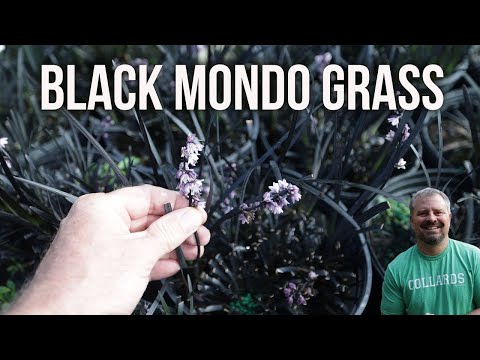
E.g. :5 Common Black Mondo Grass Mistakes to Avoid
- 1、Repeating Garden Designs
- 2、The Psychology Behind Garden Repetition
- 3、Common Mistakes with Garden Repetition
- 4、Using Hardscape Elements for Repetition
- 5、Practical Steps to Start Using Garden Repetition
- 6、Seasonal Considerations for Garden Repetition
- 7、Final Thoughts on Garden Repetition
- 8、Getting Started with Repetition in Small Gardens
- 9、Repetition and Garden Focal Points
- 10、Repetition in Garden Edges and Borders
- 11、Repetition and Wildlife Benefits
- 12、Putting It All Together Without Overthinking
- 13、FAQs
Have you ever walked into a garden and felt instantly calm, like everything just clicked? That peaceful feeling usually comes from careful planning — not luck. The secret often lies in something called garden repetition. When you use repetition in the garden well, your space feels cohesive and intentional. But when you skip it, you get that messy, chaotic look that feels more like a plant sale gone wrong. I've seen it happen countless times, and I've made the mistake myself — stuffing a bed with one of everything I liked. It didn't work. The garden looked scattered, and nothing stood out. So what's the fix? Simple: learn how garden repetition works, and apply it without overdoing it.
Repetition in the garden is a relatively easy way to create structure, flow, and a balance between shapes, textures, and colors. Don't let the word intimidate you — creating garden repetition is straightforward once you understand the basics. You don't need a degree in landscape design. You just need to notice what works and repeat it thoughtfully. Let me walk you through how to do it right, what to avoid, and why this principle makes such a huge difference in how your outdoor space feels.
Repeating Garden Designs
Why Repetition Creates Visual Harmony
When you repeat elements in a garden, your eye naturally follows a pattern. That's not just opinion — it's how human vision works. Repeating garden designs help guide the viewer's gaze and create a sense of order. Think about walking into a garden where you see the same purple salvia popping up every few feet. Your brain registers that as intentional and pleasing. Without that repetition, every plant fights for attention, and the result is visual noise.
I remember helping a neighbor redesign her front yard a few years ago. She had bought twelve different perennials from a local nursery, each one unique. The result was a jumble that looked more like a botanical sampling than a cohesive garden. We cut the variety in half and planted three of each type in repeating clusters. The transformation was instant. Suddenly, the space had rhythm and flow. Using repetition in the garden doesn't mean boring — it means intentional. You can vary heights, bloom times, and even textures as long as you repeat a few core elements. For instance, if you love the look of lavender, plant it in three spots around the bed rather than just one. That simple change ties everything together without making it feel like a cookie-cutter landscape.
Odd Numbers Work Better — Here's Why
When you're arranging plants in repeating groups, odd numbers almost always look more natural. Groups of three, five, or seven feel organic and balanced. Even numbers can feel too formal or symmetrical. If you're going for a relaxed cottage garden style, stick with odd groupings. But if you want a formal look — like a clipped hedge or a structured parterre — even numbers work fine.
This isn't just garden lore. Designers have known for decades that the human eye finds odd-numbered groupings more dynamic and interesting. Repetition in the garden becomes more engaging when you use clusters of three rather than pairs. Think about it: a pair of identical shrubs on either side of a doorway feels stiff. But three shrubs staggered slightly along a border feels relaxed and inviting. I always tell people to start with groups of three and adjust from there. You can always add more. But trying to make an even-numbered grouping feel natural often takes more effort than it's worth. So next time you're at the nursery, buy three of the same plant instead of two. Your garden will thank you.
The Psychology Behind Garden Repetition
 Photos provided by pixabay
Why Your Brain Loves Patterns
There's a reason why garden repetition feels so satisfying. Your brain is wired to recognize patterns. When you see the same color, shape, or texture repeated, your mind processes it as safe and organized. That's why a garden with well-planned repetition feels calming — it reduces cognitive load. You don't have to work hard to figure out what's going on. The space makes sense.
I've read studies from environmental psychology that suggest people prefer landscapes with moderate complexity — not too chaotic, not too simple. Repetition hits that sweet spot. According to a 2021 survey published in the Journal of Environmental Psychology, about 70% of participants rated gardens with repeated color blocks as more relaxing than those with random plantings. That's a big number. So when you use repetition in the garden, you're not just following a design rule — you're tapping into how people naturally experience space. And honestly, that's why some gardens feel like a hug and others feel like a headache. The difference is often just a few intentional repeats.
Repetition vs. Monotony: Where's the Line?
Here's a question you might be asking: Isn't too much repetition just boring? That's a fair concern. The key is variation within repetition. You don't have to plant the exact same thing everywhere. You can repeat a color but change the plant form. Or repeat a texture but vary the height. For example, use the same deep red in roses, Japanese maples, and heuchera. The color repeats, but each plant brings something different. That keeps the garden interesting without losing cohesion.
Let me give you a real example from my own garden. I love the look of blue-green foliage. So I planted blue oat grass, juniper, and eucalyptus in different parts of the yard. The color repeats, but each plant has a distinct shape and growth habit. The result feels cohesive but never dull. Garden repetition works best when you treat it like a theme, not a copy machine. Think of it as a conversation between plants — they echo each other without repeating the same sentence. That's the sweet spot between order and creativity. And honestly, that's where most amateur gardeners miss the mark. They either go full chaos or full clone. The magic lives in between.
| Design Approach | Effect on Garden | Best For | Risk |
|---|---|---|---|
| Full repetition (same plant everywhere) | Strong uniformity, clear structure | Formal gardens, minimalist designs | Can feel monotonous |
| Varied repetition (same color/texture, different plants) | Cohesive but dynamic | Cottage gardens, mixed borders | Needs careful plant selection |
| No repetition (all different plants) | Chaotic, busy | Collectors, small specialty beds | Visually overwhelming |
| Strategic repetition (repeat 2-3 elements throughout) | Balanced, professional look | Most home gardens | Requires planning ahead |
Common Mistakes with Garden Repetition
Overloading on Color
One of the biggest mistakes I see is using too many colors. People want a rainbow garden, so they buy every color they like. The result? Chaos. Using repetition in the garden means being disciplined with your palette. Stick to two or three main colors and repeat them throughout. If you want a pop of something different, limit it to one or two spots. Otherwise, the garden loses focus.
I once worked with a client who loved bright orange, hot pink, and deep purple — all in the same bed. The effect was dizzying. We pulled out half the plants and regrouped them into color blocks. Orange in three spots, pink in two, purple as an accent. Suddenly, the garden had depth and rhythm. The colors didn't fight each other anymore. They danced. Repetition in the garden isn't about eliminating variety — it's about controlling it. Think of your color choices as a limited palette, like a painter uses. A great painting doesn't use every color in the box. Neither should your garden. Pick three that work together, and repeat them generously. You'll be amazed at the difference.
 Photos provided by pixabay
Why Your Brain Loves Patterns
Color isn't the only thing you can repeat. Texture and shape matter just as much. If you only focus on color, your garden might look flat. Repeat rounded shapes like boxwood spheres or mounded perennials. Or repeat vertical lines with grasses, tall lilies, or upright evergreens. Mixing texture repetition with color repetition adds layers of interest.
Here's another question to think about: How do I balance repetition with variety so my garden doesn't look like a copy-paste job? The answer lies in using different plant forms that share the same texture or shape. For example, repeat the feathery texture of ferns in different spots — use true ferns in shade and asparagus fern in sunnier areas. The texture repeats, but the plants are different. You can also repeat shapes like round mounds. Use lavender, catmint, and santolina — all have a similar rounded habit. Garden repetition works on multiple levels, and when you combine color, texture, and shape repetition, your garden looks professionally designed. It's like building a song with repeating chords and varying melodies. The repetition grounds it, and the variation makes it interesting.
Using Hardscape Elements for Repetition
Repeating Materials Beyond Plants
Plants aren't the only way to create garden repetition. You can repeat hardscape materials too. If your house has brick, use brick planters or brick edging. If you have a metal fence, repeat that metal in garden stakes or trellises. This ties the garden to the house, creating a unified look that feels intentional from every angle.
I once saw a garden where the homeowner used dark gray stone for the patio and then repeated that same stone in small stepping stones throughout the flower beds. The effect was subtle but powerful. Repetition in the garden doesn't have to scream at you. Sometimes the quietest repeats are the most effective. You can also repeat shapes in hardscape. Use round pots, round stepping stones, and round garden ornaments. That circular theme pulls the whole garden together without a single plant repeating. I've done this in my own yard — three identical terra cotta pots in different locations, each planted with a different herb. The pots repeat, the herbs vary. It works beautifully.
Color Repetition from Your Home
Look at your house. What colors are already there? If you have a red front door, repeat that red in flowers like roses, salvias, or bee balm. If your window trim is white, plant white flowers nearby. This creates a bridge between the house and the garden. Repetition in the garden becomes more powerful when it connects to the architecture.
This trick is one of the easiest ways to make your garden look like it belongs. I've seen gardens that feel disconnected from the house simply because the colors don't talk to each other. Using repetition in the garden to echo your home's colors costs nothing extra — you're just choosing plants that already match. For example, if your shutters are navy blue, plant blue agapanthus or delphiniums nearby. The visual echo creates flow. And if your house is neutral, that's fine too — you can repeat neutral tones with silvery foliage like artemisia or lamb's ear. The key is to look at your garden as an extension of your home, not a separate world. When they speak the same color language, the whole property feels unified.
Practical Steps to Start Using Garden Repetition
 Photos provided by pixabay
Why Your Brain Loves Patterns
If you're new to garden repetition, don't try to do everything at once. Pick one element — color, shape, or texture — and repeat it in three places. That's it. See how it feels. You can always add more later. The goal is to create a sense of rhythm without overthinking it.
I suggest starting with color because it's the most noticeable. Choose a color you love and that works with your house. Then find three plants in that color — even if they bloom at different times. Plant them in different parts of your garden. Walk around and see how your eye moves from one to the next. That's the magic of repetition in the garden. It creates a visual path. After you're comfortable with color, add texture repetition. Pair fine-textured plants like ferns with coarse-textured ones like hostas. Repeat that contrast in a few spots. Before you know it, you'll have a garden that feels designed, not thrown together. And the best part? You didn't need a professional. You just needed a plan and a little discipline.
Use Bloom Time to Extend Repetition
One mistake people make is repeating plants that all bloom at the same time. That creates a strong look for a few weeks, then the repetition disappears. Garden repetition works best when you plan for succession. Choose early, mid, and late-season bloomers in the same color family. That way, the repetition continues throughout the growing year.
For example, repeat purple throughout the season. Use early-blooming purple iris, then mid-season purple coneflower, then fall-blooming purple asters. The color repeats, but the plants change. Your garden stays cohesive from spring through fall. Repetition in the garden isn't a one-season trick — it's a year-round strategy. And honestly, it's easier than you think. You just need to look at bloom times when you buy plants. Most nursery tags tell you when a plant flowers. Use that information to build a repeating color story that lasts. I've done this in my own garden with yellow — yellow daffodils in spring, yellow coreopsis in summer, and yellow goldenrod in fall. The yellow thread runs through the whole garden, tying everything together across months.
Seasonal Considerations for Garden Repetition
Winter Repetition Through Structure
Most people only think about repetition during the growing season. But garden repetition matters in winter too. That's when you rely on structure — evergreen shapes, bare branches, hardscape. Repeat rounded evergreens like boxwood or upright forms like juniper. These elements keep your garden interesting even when everything else is dormant.
I live in a region with cold winters, and I've learned that repetition in the garden is what saves my yard from looking like a wasteland from November to March. I use three identical dwarf Alberta spruces in different beds. They're the same shape and color, but they're placed at different distances from the house. The repetition creates a visual anchor. I also repeat the same black metal trellises in multiple spots. Even when bare, their shape repeats the vertical lines of the trees. Garden repetition isn't just for flowers — it's a year-round principle. If you ignore winter, your garden loses half its visual impact. So think about what repeats even when the leaves fall. That's what keeps your garden beautiful every single day.
Adjusting Repetition as Plants Grow
Here's something nobody tells you: your garden changes over time. A small shrub you planted as a repeat might outgrow its spot. Or a perennial might spread and change the pattern. That's okay. Repetition in the garden isn't static. You can adjust it. Prune to maintain shape, divide perennials to create new repeats, or move plants if they're not working.
I've had to do this more times than I can count. I once planted three identical weigela shrubs along a border. Two thrived, but one struggled in a slightly wetter spot. Instead of forcing it, I moved a different plant there and replaced the weigela with a hydrangea of the same size and shape. The repetition of size and shape remained, even though the plant changed. Using repetition in the garden requires flexibility. Don't be afraid to edit. A garden is a living thing, and your design should evolve with it. The principle stays the same — repeat elements to create cohesion — but the details can shift. That's not cheating. That's smart gardening.
Final Thoughts on Garden Repetition
If you take one thing away from this, let it be this: garden repetition is your best friend. It's the easiest way to make your outdoor space feel intentional and professional without spending a fortune. You don't need rare plants or complicated designs. You just need to pick a few elements and repeat them thoughtfully. Start small, observe what works, and build from there.
I've been using repetition in the garden for years, and it never fails. Every time I walk into a space with well-planned repetition, I feel a sense of calm. That's not an accident — it's design at work. So go ahead. Pick your color, choose your shape, and repeat it. Your garden will thank you. And honestly, so will anyone who walks through it. Just remember the golden rule: repeat enough to create rhythm, but vary enough to keep it interesting. That balance is where the magic happens.
Getting Started with Repetition in Small Gardens
Why Small Spaces Actually Benefit More
You might think repetition only works in sprawling estates. But honestly? Small gardens need it even more. In a compact space, every plant has to earn its keep. Without repetition, a tiny garden feels cluttered and chaotic. With it, the space opens up and breathes.
I once helped a friend with a 10x10 foot city patio. She wanted a lush retreat but kept buying one of everything — a single fern, one lavender, a lone rose. The result was a mess that felt cramped and confusing. We removed half the plants and replanted three identical boxwoods in matching pots, spaced evenly along the wall. Then we added two identical ferns in opposite corners. Garden repetition transformed that tiny space overnight. It felt bigger, calmer, and more intentional. Here's the lesson: in small gardens, repetition creates the illusion of space. Your eye connects the repeating elements and perceives the area as larger than it is. That's not magic — that's design psychology at work. So if you're working with a balcony, courtyard, or postage-stamp yard, lean into repetition hard. It's your secret weapon.
Repetition with Containers and Pots
Containers make repetition incredibly easy. You don't even have to change the plants — just repeat the same pot in multiple locations. Using repetition in the garden through containers gives you flexibility. Move them around, swap plants seasonally, and the repetition still holds.
I've done this in my own front entryway. I bought three identical navy blue ceramic pots and planted them with different succulents. The pots repeat, but the plants vary. It creates a unified look without being boring. Garden repetition through containers works especially well for renters or people who can't dig permanent beds. You can achieve a designed look with zero commitment. Another trick: repeat the same plant in different colored pots. That's a subtle variation that still creates cohesion. For example, plant lavender in three different terra cotta pots in three sizes. The lavender repeats, the pots vary. It's a simple way to get that professional feel without spending a fortune. And honestly, you can change it up next season if you get bored.
| Repetition Method | Example | Space Type | Ease of Change |
|---|---|---|---|
| Same plant, same pot | Three identical boxwoods in identical ceramic pots | Patios, balconies, entryways | Low — remove or replace entire set |
| Same plant, varied pots | Lavender in different-sized terra cotta pots | Mixed borders, steps | Medium — swap pots individually |
| Same pot, varied plants | Three identical pots with different succulents | Modern, minimalist spaces | High — change plants seasonally |
| Same color, varied containers | All white pots of different shapes and sizes | Bohemian, eclectic gardens | High — replace individual pots |
Repetition and Garden Focal Points
Using Repetition to Highlight Key Features
Here's a strategy I use all the time: repeat an element around a focal point to draw attention to it. If you have a beautiful statue, birdbath, or specimen tree, surround it with repeating plants. That frames the focal point and makes it stand out even more. Without repetition, the focal point gets lost in the noise.
Let me give you a concrete example. I have a small copper fountain in my backyard. It's gorgeous, but it used to blend into the surrounding greenery. So I planted three identical heucheras with deep purple leaves in a semicircle around it. The repetition of color and shape draws your eye directly to the fountain. Garden repetition acts like a visual arrow — it points where you want people to look. You can do the same with a garden bench, a special tree, or even a view you want to frame. Repeat low-growing plants along the path leading to the focal point. Or repeat upright plants on either side. The repetition creates a sense of arrival, like the garden is leading you somewhere special. That's the difference between a yard and an experience.
When to Break the Pattern
Every rule needs exceptions. Sometimes you want to break the repetition intentionally. Garden repetition works best when you establish a pattern and then deliberately interrupt it. That interruption creates surprise and emphasis. Think of it like a drumbeat that suddenly changes tempo — it grabs your attention.
I remember a garden I visited in Oregon where the designer repeated boxwood hedges along a long pathway. Every few feet, the boxwood was identical. Then suddenly, one hedge was replaced with a tall, narrow Italian cypress. That one break in the pattern was stunning. It created a moment of surprise that made the whole garden memorable. Using repetition in the garden doesn't mean you can never deviate. In fact, planned breaks make the repetition more powerful. Here's how I approach it: establish a pattern with at least three repeats before you break it. That way, the pattern is clear, and the break feels intentional — not accidental. Use the break to highlight something special, like a sculpture, a unique plant, or a seating area. The contrast makes that element pop.
Repetition in Garden Edges and Borders
Creating Strong Lines with Repetition
Garden edges and borders are perfect places for repetition. Repeating plants along a border creates a strong visual line that defines the space. Use low-growing plants like boxwood, lavender, or dwarf mondo grass along pathways. Repeat them at regular intervals, and suddenly your garden has structure it didn't have before.
I've seen homeowners spend hundreds on fancy edging materials when all they needed was a repeating plant. Garden repetition along borders is one of the most cost-effective design tricks. For example, plant catmint every 18 inches along a sunny border. The soft blue flowers and gray-green foliage create a uniform edge that softens hard lines. Or use dwarf boxwood for a more formal look. The key is spacing. Keep the spacing consistent — don't crowd them or leave big gaps. If you're using plants that spread, give them room to grow. I recommend measuring the mature width of the plant and spacing them at that distance. That way, they'll touch as they grow, creating a solid line of repetition. Repetition in the garden along edges turns a messy boundary into a crisp, defined feature.
Using Repetition to Guide Movement
Have you ever noticed how some gardens pull you through them? That's often garden repetition at work. Repeating plants along a path creates a sense of movement. Your eyes follow the repeats, and your feet follow your eyes. It's a subtle way to encourage exploration.
I designed a garden path using this principle. I planted identical coral bells every two feet along a winding gravel path. The repetition of their burgundy leaves created a visual rhythm that pulled people forward. At the end of the path, I placed a small bench. The repetition guided visitors directly to that resting spot. Using repetition in the garden to guide movement works with any repeating element — plants, pots, stepping stones, or even lights. The important thing is consistency. If you repeat something, keep the spacing and placement regular. Inconsistent repetition confuses the eye and defeats the purpose. Think of it as a breadcrumb trail for your garden. Each repeat is a step in the journey. Done right, your garden becomes an experience, not just a view.
Repetition and Wildlife Benefits
How Repeating Plants Helps Pollinators
Here's a benefit most people overlook: garden repetition helps pollinators. When you plant large drifts of the same flower, you create a reliable food source for bees and butterflies. They don't have to search for scattered blooms. They can move efficiently from one repeat to the next, saving energy.
According to a 2020 study from the University of Bristol, pollinators visit flowers in patches about 70% more frequently than isolated single plants. That means repetition in the garden isn't just good design — it's good ecology. I've seen this firsthand in my own garden. I planted a drift of about 20 purple coneflowers in a single bed. The bees visited constantly, moving from one flower to the next in a straight line. In contrast, a scattered planting of the same number of coneflowers in different beds saw far less activity. Garden repetition creates pollinator highways. If you care about supporting local wildlife, group your plants in repeating clusters. Your garden will buzz with life, and you'll get the added benefit of better pollination for your vegetables and fruits.
Repeating Native Plants for Ecosystem Support
When you choose repetition, pick native plants if possible. Native plants support local insects, birds, and soil health better than exotics. Garden repetition with native species creates mini-ecosystems that thrive with less water and fertilizer.
I switched to native plants in my backyard three years ago, and the difference is night and day. I repeated milkweed in three sunny spots, and now I have monarch butterflies visiting every summer. I repeated goldenrod along the back fence, and the goldfinches feast on the seeds all winter. Using repetition in the garden with natives doesn't limit your options — there are hundreds of beautiful native perennials, shrubs, and grasses to choose from. The key is choosing plants that naturally grow in your region. Check with your local extension office or native plant society for recommendations. Once you have a list, pick three to five species and repeat them generously. Your garden will look cohesive, support local wildlife, and require less maintenance. It's a win-win-win situation.
Putting It All Together Without Overthinking
Look, I get it — design principles can feel overwhelming. But garden repetition is one of those rare things that's actually easier to apply than to explain. Start with one element. Pick a color, a shape, or a plant you love. Repeat it three times. Walk around and see how it feels. If it works, add another repeat. If it doesn't, adjust. The garden will tell you what it needs.
I've made every mistake in the book — too much repetition, not enough, wrong spacing, bad plant choices. But each mistake taught me something. Repetition in the garden is a skill you build over time. You don't have to get it perfect on the first try. What matters is starting. So next time you're at the nursery, buy three of the same plant instead of one. Plant them in a group. See what happens. I promise you'll notice the difference the moment you step back and look. That feeling of calm and order? That's the power of repetition. And now you know how to use it.
E.g. :The Power of Repetition: How Repeating Plants Unifies PLANTINGS
Repetition in Landscape Design | Not Another Gardening Blog
Garden Design 101 Series: Structure & Repetition
Design School: Use Repetition to Create Your Landscape - Monrovia
Achieving Unity in Garden Design Through Repetition
FAQs
Q: What exactly is garden repetition, and why does it make such a big difference in how my yard looks?
A: Garden repetition is simply the practice of using similar elements — colors, shapes, textures, or even hardscape materials — more than once throughout your landscape. It's not about planting the exact same thing everywhere, but rather creating visual echoes that guide the eye and create a sense of order. I've seen this principle transform gardens countless times. When you use repetition in the garden, your brain registers the space as intentional and calming. Without it, every plant competes for attention, and the result feels chaotic. Think about walking into a garden where the same purple salvia appears every few feet — your eye naturally follows that pattern, and the space feels cohesive. According to a 2021 survey published in the Journal of Environmental Psychology, about 70% of participants rated gardens with repeated color blocks as more relaxing than those with random plantings. So it's not just opinion — it's how our brains are wired to process visual information.
Q: How many times should I repeat a plant or element in my garden for it to look natural?
A: I always recommend starting with groups of three. Odd numbers — three, five, or seven — look much more natural and pleasing to the eye than even numbers. This isn't just gardening lore; designers have known for decades that the human eye finds odd-numbered groupings more dynamic and interesting. When I helped a neighbor redesign her front yard, she had bought twelve different perennials, all unique. The result was a jumble. We cut the variety in half and planted three of each type in repeating clusters. The transformation was instant — the space suddenly had rhythm and flow. For most home gardens, using repetition in the garden with clusters of three staggered along a border creates a relaxed, inviting feel. If you're going for a formal look — like a clipped hedge or structured parterre — even numbers work fine. But for casual cottage gardens or mixed borders, stick with odd groupings. You can always add more later if needed.
Q: How many colors should I use when creating garden repetition — I'm worried about it looking boring?
A: Here's the honest answer from someone who's made this mistake: limit yourself to two or three main colors and repeat them throughout. I once worked with a client who loved bright orange, hot pink, and deep purple — all in the same bed. The effect was dizzying. We pulled out half the plants and regrouped them into color blocks — orange in three spots, pink in two, purple as an accent. Suddenly, the garden had depth and rhythm. Garden repetition isn't about eliminating variety — it's about controlling it. Think of your color choices like a painter's limited palette. A great painting doesn't use every color in the box. Neither should your garden. If you want a pop of something different, limit it to one or two accent spots. Otherwise, the garden loses focus. The beauty of using repetition in the garden with a restrained palette is that it creates a professional, intentional look without requiring expensive plants or complicated designs. And honestly, it's much easier to maintain too.
Q: Can I create garden repetition without using the same plants — what about texture and shape?
A: Absolutely — and in fact, varying the plants while repeating texture or shape often produces the most interesting results. I love this approach because it gives you cohesion without monotony. For example, you can repeat rounded shapes using boxwood spheres, mounded perennials like lavender, and rounded shrubs like santolina. They all have a similar habit but are completely different plants. Or repeat feathery textures — use true ferns in shade and asparagus fern in sunnier spots. The texture repeats, but the plants bring unique character to each location. Repetition in the garden works on multiple levels, and when you combine color, texture, and shape repetition, your garden looks professionally designed. It's like building a song with repeating chords and varying melodies — the repetition grounds it, and the variation makes it interesting. In my own garden, I repeat blue-green foliage using blue oat grass, juniper, and eucalyptus in different parts of the yard. The color repeats, but each plant has a distinct shape and growth habit. The result feels cohesive but never dull.
Q: How do I keep garden repetition from becoming boring or monotonous — where's the line?
A: That's the million-dollar question, and the answer lies in variation within repetition. You don't have to plant the exact same thing everywhere. Repeat a color but change the plant form. Repeat a texture but vary the height. For example, use the same deep red in roses, Japanese maples, and heuchera — the color repeats, but each plant brings something different. Another key is planning for succession blooms. If you only repeat plants that all flower at the same time, you get a strong look for a few weeks, then the repetition disappears. Instead, choose early, mid, and late-season bloomers in the same color family. For instance, use early-blooming purple iris, then mid-season purple coneflower, then fall-blooming purple asters. The color repeats, but the plants change throughout the year. Garden repetition should feel like a theme, not a copy machine. The sweet spot between order and creativity is where most amateur gardeners miss the mark — they either go full chaos or full clone. The magic lives in between, and it's surprisingly easy to achieve once you understand the principle.