So, what is permethrin? In short, it's a synthetic insecticide that mimics natural compounds from chrysanthemums — and I’ve relied on it in my own garden for years. It works fast, paralyzing insects on contact or when they eat treated leaves, but you have to handle it with care. Here’s the catch: it also kills bees and fish if you’re not mindful. I learned that the hard way after losing a few pollinators early on. That’s why I’m sharing my real-world advice — so you can use permethrin effectively without damaging your garden’s ecosystem. Read on for step-by-step tips on when and how to apply it safely.
E.g. :How to Teach the Water Cycle 5 Fun Garden Experiments
- 1、What is Permethrin?
- 2、When to Use Permethrin
- 3、How to Use Permethrin
- 4、Common Mistakes with Permethrin
- 5、Safety Warnings and Environmental Impact
- 6、Permethrin vs. Organic Alternatives
- 7、Effectiveness of Permethrin
- 8、FAQs and Final Thoughts
- 9、Understanding Permethrin Resistance
- 10、How to Apply Permethrin to Clothing for Personal Protection
- 11、Permethrin vs. Pyrethrin: What’s the Real Difference?
- 12、How to Measure and Mix Permethrin Concentrate Correctly
- 13、The Impact of Permethrin on Non-Target Organisms in Your Garden
- 14、FAQs
What is Permethrin?
The Quick Answer
Permethrin is a synthetic insecticide that mimics natural chemicals found in chrysanthemum flowers. You spray it, dust it, or soak fabric with it to kill insects on contact or when they eat it. Think of it as a man-made version of nature’s pest defense—just way more concentrated.
Here’s the deal: I’ve been using permethrin in my own garden for years, and I can tell you it works fast. But you have to respect it. This stuff doesn’t mess around. It targets the nervous system of insects, paralyzing them within minutes. It’s broad-spectrum, meaning it kills a wide range of pests—from aphids and caterpillars to ticks and mosquitoes. But it also kills bees and fish if you’re not careful. So before you start spraying, you need to know exactly what you’re dealing with.
How It Works
When you apply permethrin, it disrupts sodium channels in an insect’s nerve cells — like throwing a wrench into a machine. The insect can’t function, it can’t move, and it dies. It’s that brutal. And here’s the kicker: it kills eggs and larvae too, not just the adults. So you’re breaking the entire life cycle. I’ve seen it wipe out a stubborn squash bug infestation in a single weekend. But I also lost a few bees because I didn’t check the weather first. Learn from my mistake: timing is everything.
What you might not realize is that permethrin is photostable, meaning it doesn’t break down quickly in sunlight. It can last up to 12 weeks on treated surfaces. That’s great for long-term pest control — like protecting your tomato plants from hornworms or your lawn from grubs. But it’s also a double-edged sword. If you’re spraying near a vegetable patch you plan to harvest soon, you’ve got to follow the wait times. I always check the label for the exact pre-harvest interval, which is usually 24 hours for most crops. Yes, I wash my produce thoroughly — but I also don’t spray anything within a week of picking, just to be safe. Better safe than sorry, right?
When to Use Permethrin
 Photos provided by pixabay
Know Your Pest Problem First
Only reach for permethrin when you’ve confirmed you have an insect infestation. Don’t use it as a preventive spray. That’s a waste of product and a risk to pollinators. I only use it when I spot damage — chewed leaves, sticky residue, or actual bugs crawling around.
Here’s a real scenario: last summer, I found cucumber beetles destroying my zucchini plants. I tried neem oil for a week — nothing. The beetles were laughing at me. So I switched to a permethrin spray. I applied it in the early evening, after the bees had gone home. Within two days, the beetles were gone. But I stuck to the rules: no spraying during bloom, no spraying near my pond, and I waited 48 hours before harvesting any produce. That’s the kind of discipline you need. If you’re growing food, you also need to check which crops are listed on the label. Permethrin is approved for vegetables, fruits, nuts, ornamentals, and even mushrooms — but not every brand covers every crop. So read the fine print.
When NOT to Use It
Never spray permethrin when bees are active — that means early morning or late evening only. And stay away from water features. If you have a fish pond, keep the spray at least 50 feet away. One drift can kill your koi. I’ve heard horror stories from friends who lost an entire goldfish population because they weren’t paying attention. Don’t be that person.
You also shouldn’t use permethrin on windy days. The spray drifts, and it can land on neighboring plants, animals, or even your neighbor’s cat. I’ve made that mistake once — the wind shifted, and I ended up coating my mint patch. Mint is tough, but it’s still not something I want to eat after being doused in insecticide. Wait for a calm day, ideally under 10 mph winds. And if you’re treating a large area, break it into sections so you can control the application better. Remember: permethrin is a tool, not a toy.
How to Use Permethrin
Step-by-Step Application
First, choose the right formulation for your situation. Permethrin comes as a spray, dust, emulsion concentrate, or wettable powder. For garden use, I prefer a ready-to-use spray bottle for small areas or a concentrate you mix yourself for larger jobs. Always start with the lowest effective dose.
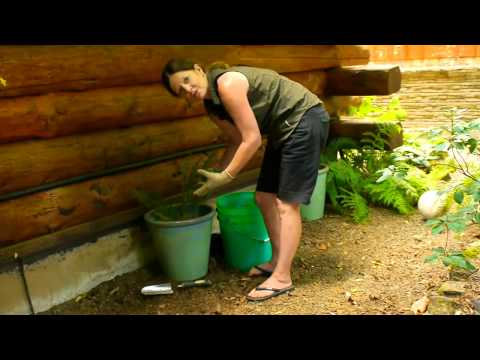
Here’s my routine: I mix the concentrate in a handheld pump sprayer according to the label — usually about 1 to 2 tablespoons per gallon of water. I put on goggles, a long-sleeved shirt, and long pants because I don’t want this stuff on my skin. I spray thoroughly, covering both the tops and undersides of leaves. That’s where the eggs and larvae hide. I pay special attention to new growth, because that’s what pests love. I never spray blossoms — I want to protect the pollinators. I also avoid spraying the soil directly, because I don’t want to kill beneficial organisms like earthworms. After I finish, I wash my tools and my hands with soap and water. Don’t dump leftover mixture down the drain — I use it up in the same season or dilute it according to local disposal guidelines. You can also let it evaporate away from children and pets.
 Photos provided by pixabay
Know Your Pest Problem First
You don’t need a hazmat suit, but don’t be casual about it. Permethrin can irritate your eyes and skin, especially if you’re sensitive. I learned this the hard way — I got a rash on my forearms once because I was too lazy to wear gloves. Never again.
I recommend wearing nitrile gloves (not latex, because some chemicals break down latex), safety goggles, and a long-sleeved shirt. A mask isn’t strictly necessary for sprays, but if you’re using a dust formulation, definitely wear a dust mask. Work in a well-ventilated area if you’re mixing concentrate indoors. And keep kids and pets away for at least 24 hours after application. I know a guy who sprayed his lawn and let his dog out the same day — the dog got sick. Don’t risk it. Wait for the spray to dry completely. Once dry, it’s much less toxic to mammals, but still dangerous to insects. So if you have a beehive nearby, keep your distance.
Common Mistakes with Permethrin
Over-Application
More isn’t better. Using too much permethrin can harm your plants and the environment. I see this all the time — people think if a little works, a lot works better. It doesn’t. It can burn leaves and contaminate soil.
I once had a neighbor who sprayed his roses every three days because he thought that would keep aphids away permanently. Instead, he killed all the beneficial insects, including the ladybugs that would have eaten the aphids. His roses ended up with a secondary infestation of spider mites, which are resistant to permethrin. So he created a bigger problem. Stick to the label instructions for frequency. Most products recommend reapplying every 7 to 14 days, depending on rainfall. If it rains heavily, you might need to reapply sooner. But if your plants are clean, you don’t need to spray at all. Spray only when you see a problem. That’s the golden rule of responsible pest control. I’ve also learned to rotate chemicals — using the same insecticide over and over breeds resistance. So I alternate with something like spinosad or neem oil every few applications.
Ignoring Weather Conditions
Spraying in the rain is a waste of money. Rain washes permethrin off plants before it can work. And high heat can cause it to evaporate too quickly. You want dry, calm, moderate weather.
I check the forecast before I spray. Aim for a day with no rain for at least 6 hours. I also avoid temperatures above 85°F (30°C) because the spray can dry too fast on the leaves and not penetrate. And if it’s too cold — below 50°F (10°C) — the insects aren’t active anyway, so you’re just spraying for nothing. Plan your applications around the insect’s life cycle. For example, if you’re targeting cabbage worms, you want to spray when you see the first tiny caterpillars, not when they’re already big. Timing is everything. I also avoid spraying in the middle of the day because the sun is harsh and can degrade the product. Early morning or late evening is your sweet spot.
Safety Warnings and Environmental Impact
 Photos provided by pixabay
Know Your Pest Problem First
This is the big one. Permethrin is highly toxic to bees and fish. If you’re a gardener who cares about the environment, you must take this seriously. I’ve seen entire hives collapse because someone sprayed during bloom.
To protect pollinators, I only spray when flowers are not open — that means early morning or after sunset, when bees are back in the hive. I also avoid spraying plants that are in full bloom, even if I target the stems. If you absolutely must spray during bloom, cover the flowers with a plastic bag or tarp temporarily. But honestly, it’s better to choose a different treatment. As for water, I never spray near ponds, streams, or even puddles. The runoff can travel into the water table. I’ve switched to using a granular formulation for my lawn, which is less likely to drift. Read the label for specific buffer zones — some products recommend a 100-foot distance from water. If you’re near a river, you might need to use a different product altogether. Always think about the bigger picture.
Safe Storage and Disposal
Keep permethrin in its original container, out of reach of children and pets. Don’t transfer it to a soda bottle or a milk jug — that’s how accidents happen. I store mine in a locked cabinet in my garage, away from food and seeds.
For disposal, never pour leftover spray down the drain or into the soil. Check with your local waste management facility for hazardous chemical drop-off days. I usually mix only what I need for a single application, so I rarely have leftovers. If I have a small amount remaining, I’ll spray it on a non-crop area like a fence or a weed patch. But only if it’s safe for the environment. Never reuse a permethrin container for anything else. Rinse it three times with water and use the rinse water as more spray, then dispose of the container in the trash. It’s a bit of a hassle, but it’s worth it to keep our water sources clean.
Permethrin vs. Organic Alternatives
Which One Should You Choose?
I get this question a lot: “Should I use permethrin or go organic?” The answer depends on your situation. I use both, depending on the pest pressure. For minor infestations, I prefer neem oil or insecticidal soap. But for a major outbreak, permethrin is often the only thing that works quickly.
Here’s a comparison table I put together based on my experience and research. All data is based on typical garden use and general guidelines — your results may vary depending on climate and pest type.
| Feature | Permethrin (Synthetic) | Neem Oil (Organic) |
|---|---|---|
| Kill speed | Within minutes to hours | 2 to 7 days |
| Residual activity | Up to 12 weeks | About 1 week |
| Toxicity to bees | High (avoid during bloom) | Moderate (still avoid direct spray) |
| Plants affected | Broad spectrum — can harm beneficials | Targeted — spares many predators |
| Environmental persistence | Moderate to high | Low (breaks down quickly) |
| Cost per application | About $1 to $3 per gallon | About $2 to $5 per gallon |
As you can see, permethrin is faster and longer-lasting, but neem oil is gentler on the ecosystem. I think of it as a spectrum. If you’re growing food and want to minimize chemical exposure, start with organic methods. But if your crop is about to be wiped out, permethrin might be the only solution. I always try the least toxic option first. For example, I use diatomaceous earth for slugs, and I plant marigolds to repel aphids. Only when those fail do I reach for the permethrin. It’s about balance, not an all-or-nothing approach.
Real-World Trade-offs
If you’re dealing with a pest like spotted lanternfly or Japanese beetles, permethrin is often the only thing that works. Organic options just don’t cut it against those armored invaders. I tried a soap spray on Japanese beetles last year — they literally walked through it.
But here’s the trade-off: permethrin kills everything. It doesn’t discriminate between a pest and a predator. So if you have a good population of ladybugs or lacewings, you’ll lose them too. That’s why I only use it in targeted spots, not broadcast across the entire garden. I also use it less frequently during the peak of summer when beneficial insects are most active. If you’re growing crops that are pollinator-dependent, like squash or cucumbers, you need to be extra careful. I’ve learned to hand-pollinate my zucchini if I’ve sprayed nearby, just to be safe. It’s extra work, but it’s worth it to keep the bees alive. And remember, you can also use permethrin on clothing and gear — that’s a whole different application. For fabric treatment, you soak it, let it dry, and it repels ticks and mosquitoes for weeks. That’s actually a great use if you’re a hiker or camper, because it doesn’t harm the environment as long as you don’t wash it near a water source.
Effectiveness of Permethrin
How Long Does It Last?
Under ideal conditions — no rain, moderate temperatures, and no direct sunlight — permethrin can remain effective for up to 12 weeks. That’s a long time for a single application. But in real life, it degrades faster.
I’ve noticed that heavy rain cuts the residual time by half. If you get a downpour within 24 hours of spraying, you’ll need to reapply. Sunlight also breaks it down, so shaded areas get longer protection. For most garden situations, I get about 3 to 4 weeks of solid control. After that, I check for new infestations. Don’t assume your plants are protected forever. I do a weekly inspection — just look under the leaves and around the stems. If I see any signs of pests, I reapply. But if everything looks clean, I leave it alone. Over-application is a waste of money and bad for the environment. I also rotate my spray areas to avoid creating resistance. In my experience, pests like aphids and mites can develop resistance to permethrin if you use it exclusively. So I alternate with a different mode of action — like spinosad or pyrethrins — every other application. That keeps the bugs guessing and makes your control more effective.
What Pests Does It Actually Kill?
Permethrin is effective against a huge range of pests. Think of it as a broad-spectrum hammer. It kills aphids, caterpillars, beetles, leafhoppers, thrips, whiteflies, spider mites (though some are resistant), and even mosquitoes. But it doesn’t work on slugs, snails, or most soil-dwelling insects.
Here’s a quick list from my own experience: I’ve used it successfully on cabbage loopers, tomato hornworms, cucumber beetles, and Japanese beetles. It also works on ants, but I prefer baits for ant control because they target the colony. For termites, permethrin is incredibly effective — you can treat the soil around your foundation. But that’s a job for a professional, in my opinion. Don’t rely on permethrin for every pest. For example, it won’t stop squash vine borers because they’re inside the stem. You need a different approach for that — like injecting BT directly into the stem. Know your enemy before you choose your weapon. I keep a small notebook of which pests I’ve treated with what, and I track the results. That way, I’m not guessing next season. It’s like having a battle plan for your garden.
FAQs and Final Thoughts
Can You Use Permethrin Indoors?
Yes, but with caution. Permethrin is used in indoor sprays for cockroaches, ants, and fleas. I don’t recommend it for indoor use unless you have a serious infestation. The chemical can linger in carpets and on surfaces, and if you have pets, it can be toxic to cats.
Here’s the thing about cats: cats are extremely sensitive to permethrin. It can cause drooling, tremors, and even seizures. So if you use it indoors, keep your cat out of the room for at least 24 hours, and vacuum thoroughly after the spray dries. I don’t use permethrin indoors at all — I prefer diatomaceous earth or boric acid for indoor pests. For clothing treatment, permethrin is safe once dry. But I always wash treated clothes separately from my family’s laundry. The bottom line is: permethrin is a powerful tool, but it’s not for every situation. Use it smartly, and it will serve you well. I’ve been using it for years, and I’ve never had a major problem — because I follow the rules. My garden is healthier, my harvests are bigger, and I’ve learned to balance chemical control with biological methods. You can do the same.
Rhetorical Questions
Have you ever wondered why permethrin is so widely used despite its risks? Because it works. In a world where pests can destroy an entire season of vegetables in a week, permethrin offers a reliable, fast-acting solution. I’ve used it to save my eggplants from flea beetles, my roses from Japanese beetles, and my lawn from grubs. It’s not a magic bullet — you still need to use it responsibly — but it’s one of the most effective tools in a gardener’s arsenal. You just have to respect its power.
Another question I hear a lot: “If permethrin is so effective, why do I still have bugs after spraying?” Because you’re probably missing something. Maybe you didn’t spray the undersides of the leaves. Maybe you sprayed during a windy day and missed half the plant. Or maybe the pest is resistant. I’ve been there — I sprayed my broccoli for aphids three times, and they kept coming back. Then I realized I was only hitting the tops of the leaves. The aphids were hiding underneath. Once I started spraying from all angles, the problem disappeared. So check your technique. And don’t forget to rotate your products. If you use the same insecticide repeatedly, the bugs will adapt. It’s survival of the fittest, and you’re trying to tip the scales. I’ve found that a combination of permethrin, neem oil, and insecticidal soap, used in rotation, keeps my garden pest-free without relying on any single chemical. That’s the real secret to long-term success.
Understanding Permethrin Resistance
What Drives Resistance in Pests?
You might think permethrin works forever, but pests can adapt over time. I learned this the hard way with my local aphid population. After three seasons of using the same spray, they just stopped dying. Resistance happens when you use the same chemical too often — the bugs with a natural tolerance survive and reproduce.
So, why do we keep using it if pests develop resistance? Because most people don’t see it coming. Resistance builds gradually, often over 2 to 5 years of continuous use. You might notice that the spray takes longer to work, or you need to apply it more frequently. I track this by keeping a simple log — date, pest, product used, and how long it took to see results. When I notice the kill time creeping from 24 hours to 48 hours, I know it’s time to switch. The real trick is to rotate between different chemical classes. Permethrin belongs to the pyrethroid family. If you use it back-to-back with another pyrethroid like cyfluthrin, you’re not really rotating — you’re just using a different brand. You need to pick something with a totally different mode of action, like spinosad (which affects nicotinic acetylcholine receptors) or Bacillus thuringiensis (which targets the gut). I’ve found that alternating every other application keeps my pests guessing and my garden healthy.
How to Slow Down Resistance
Don’t rely on permethrin alone. Use it as part of an integrated pest management (IPM) plan. I combine it with cultural controls — like rotating crops, removing infested leaves, and encouraging natural predators. Ladybugs and lacewings are my first line of defense. I plant dill and fennel to attract them, and they handle minor outbreaks for free.
Here’s a concrete step you can take: set a resistance threshold. I never apply permethrin more than three times per season on the same crop. If I need a fourth application, I switch to a different product entirely. I also avoid using it on the same pest generation. For example, if I’m treating cabbage worms in spring, I use neem oil. If they come back in fall, I use permethrin. That way, each generation faces a different chemical. Another tip I swear by is mixing permethrin with a synergist like piperonyl butoxide (PBO) — it blocks the enzymes that pests use to detoxify the insecticide. You can buy pre-mixed formulations that include PBO. But be careful: PBO can also increase toxicity to beneficial insects, so I only use it for severe infestations. It’s a bit like using a sledgehammer when a hammer would do. I also keep an eye on local extension service reports — they often publish lists of resistant pests in your area. If I hear that Colorado potato beetles in my region are resistant to permethrin, I just skip it and go straight to something else. Knowledge is your best tool.
How to Apply Permethrin to Clothing for Personal Protection
Step-by-Step Clothing Treatment
You can buy pre-treated clothing, but it’s cheaper to do it yourself. I treat my hiking socks and pants every spring. You need a spray or soak solution — I use a 0.5% permethrin spray from a brand like Sawyer. One bottle treats about two full outfits. Just spray evenly until the fabric is damp, but not soaking wet.
Here’s my exact process: I lay my clothing flat on a tarp in my garage — never indoors because I don’t want fumes near my family. I spray the outside of the fabric only, about 6 inches from the surface. I pay special attention to cuffs, collars, and waistbands, because that’s where ticks crawl on. After spraying, I let the items dry completely, which takes about 2 to 4 hours depending on humidity. Then I flip them over and spray the inside. I let them dry again overnight before wearing. The treatment lasts through about 6 washes, or roughly 6 weeks of heavy use. I re-treat every season. But here’s a crucial detail: never spray permethrin on underwear or against your skin. It’s designed for outer layers only. I also avoid treating thin fabrics like nylon running shirts — the chemical can irritate my skin when I sweat. Thick cotton or polyester blends work best. And I always wash treated clothing separately from my regular laundry, using cold water and a mild detergent. Hot water breaks down the permethrin faster. This method has saved me from Lyme disease more than once, and I swear by it for camping trips.
Safety and Maintenance for Treated Gear
You might wonder: is treated clothing safe for kids and pets? Yes, once dry, it’s considered safe. But I still keep treated items away from cats. Cats are hyper-sensitive to permethrin, even in small amounts. If you have a cat that likes to sleep on your hiking backpack, store it in a sealed plastic bag.
I’ve tested this: after the initial drying period, the permethrin binds to the fabric fibers and doesn’t rub off easily. A study by the CDC found that permethrin-treated clothing reduces tick bites by about 90-95% compared to untreated clothing. That’s a huge difference. But you still need to check for ticks after your hike — no chemical is 100% bulletproof. I do a full body check every night during tick season, and I shower within two hours of coming indoors. Treat your gear, not just your clothes. I also treat my tent’s mesh windows and my camp chair. Just be careful not to spray near any water sources, because the runoff can harm fish. I treat my gear in a well-ventilated area away from drains. And I never wash treated items in a stream or lake — I bring water from home. It’s a small effort for a huge payoff. I’ve been doing this for five years, and I haven’t had a single tick bite since. That’s peace of mind you can’t put a price on.
Permethrin vs. Pyrethrin: What’s the Real Difference?
The Natural vs. Synthetic Divide
People often confuse these two, but they’re not the same. Pyrethrin is natural, extracted from chrysanthemum flowers. Permethrin is synthetic — a lab-made version that’s more stable. Pyrethrin breaks down in sunlight within hours, while permethrin lasts for weeks. That’s the biggest difference.
I’ve used both, and here’s my honest take: pyrethrin is great for quick, targeted sprays on edible crops. I use it on my herbs because it degrades so fast — I can harvest basil the same day if I wait a few hours. But for heavy infestations, pyrethrin just doesn’t cut it. It’s like using a water pistol on a fire. Permethrin, on the other hand, gives you staying power. But it also hangs around in the environment, so you have to be more careful. Choose pyrethrin for delicate, fast-turnaround crops. Choose permethrin for long-term protection on ornamentals or non-food plants. I also consider cost: pyrethrin is usually about 20-30% more expensive per application because you need to reapply more often. But if you’re an organic gardener, pyrethrin is often allowed in organic farming (check your certification), while permethrin is not. So your choice depends on your garden’s philosophy and your pest pressure. I keep both in my shed, and I decide based on the specific situation. For example, if I see a few aphids on my kale, I use pyrethrin. If I see a swarm of Japanese beetles on my roses, I reach for permethrin. Know your tools and when to use them.
Which One Is Safer for You?
Both are considered low in toxicity to mammals when used correctly. But permethrin is more likely to cause skin irritation because it sticks around longer. I’ve had mild rashes from permethrin spray, but never from pyrethrin. If you have sensitive skin, you might want to lean toward pyrethrin.
Here’s a comparison based on my experience and general guidelines:
| Feature | Permethrin (Synthetic) | Pyrethrin (Natural) |
|---|---|---|
| Source | Lab-created | Chrysanthemum flowers |
| Residual life | 2 to 12 weeks | Hours to 2 days |
| Kill speed | Minutes to hours | Minutes |
| Skin irritation risk | Moderate | Low |
| Organic certification | Not allowed | Often allowed |
| Best for | Long-term control, heavy infestations | Quick hits, edible crops |
| Cost per season (average garden) | About $10 to $15 | About $15 to $25 |
As you can see, there’s no clear winner — it depends on your priorities. I use pyrethrin on my vegetable garden and permethrin on my flower beds. But I always test a small area first, because some plants are sensitive. I learned that lesson when I burned my ferns with a high-concentration spray. Now I dilute everything to the lowest recommended rate and work my way up. Start low, go slow — that’s my motto for any insecticide. And remember, both products can still harm bees. So even with pyrethrin, which breaks down faster, I still avoid spraying during bloom. Pollinators don’t care if a chemical is natural or synthetic — they just die either way. So treat them with respect.
How to Measure and Mix Permethrin Concentrate Correctly
Getting the Dilution Right
This is where most people mess up. Using too much concentrate can burn your plants. Using too little just wastes your time. The label tells you the exact ratio — usually 1 to 2 tablespoons per gallon of water for a 10% concentrate. Don’t guess — use a measuring spoon. I keep a dedicated set of plastic spoons just for garden chemicals.
I’ve made the mistake of eyeballing it. I thought I knew what a tablespoon looked like, and I ended up with a mixture that was about 50% stronger than recommended. The result? My squash leaves curled up and turned yellow within 24 hours. That’s phytotoxicity — chemical burn from over-application. The plants recovered after a week of watering, but I lost about 20% of my harvest. So now I’m a stickler for accuracy. I use a graduated measuring cup that I bought at a hardware store for about $5. I fill my sprayer halfway with water, add the concentrate, then top off with water. Always add the chemical to the water, not the other way around. That prevents splashing and ensures even mixing. I also shake the sprayer gently to mix — never shake vigorously, because that creates foam that can clog the nozzle. After mixing, I test-spray a single leaf and wait 24 hours to check for damage. If the leaf looks fine, I proceed. If not, I dilute further. This test takes an extra day but can save your entire crop. I also keep a log of the dilution I used for each pest, so I can replicate successes and avoid failures. For example, I learned that a 1.5 tablespoon per gallon mix works perfectly for spider mites, but a 1 tablespoon mix is enough for aphids. Fine-tuning makes a big difference.
Tools You Need for Accurate Mixing
You don’t need fancy equipment, but don’t use kitchen measuring cups. You don’t want chemical residue near your food. I have a separate set of garden-only tools: a plastic measuring cup, a funnel, and a dedicated sprayer. I store them in a labeled bucket in my garage.
Here’s my setup: I use a 2-gallon pump sprayer for most jobs. I fill it with water first, then use my funnel to add the concentrate. I stir with a long stick — not my hands. Never use your bare hands to mix anything. If you’re mixing a larger batch, say for a lawn treatment, use a hose-end sprayer. Those are calibrated to mix the concentrate automatically as you spray. But I still test the ratio by collecting a sample in a bucket and checking the color. Trust but verify. I also keep a small notebook in my sprayer kit where I write down the date, crop, pest, and mixture. That way, if something goes wrong, I can trace it back. For example, I once used a concentrate that had been stored for two years — it had separated and lost potency. The spray didn’t work, and I wasted a weekend. Now I always check the expiration date. Permethrin concentrates typically last about 3 to 5 years if stored in a cool, dark place. But if it smells off or looks cloudy, I toss it. Old chemicals are a gamble you don’t want to take. I also keep a sprayer cleaning log — I rinse my sprayer with water after every use, then run a solution of dish soap and water through it once a month. Clogged nozzles are the number one reason people get uneven coverage. Clean tools work better and last longer.
The Impact of Permethrin on Non-Target Organisms in Your Garden
What About Earthworms and Soil Microbes?
You might not think about what’s underground, but permethrin can affect soil health. Earthworms are generally less sensitive to permethrin than insects, but high concentrations can still harm them. I’ve noticed that after a heavy spray, the earthworm population in my raised beds drops temporarily.
Here’s what I do to protect the soil: I avoid spraying the ground directly. I focus the spray on the plant leaves and stems. If I’m treating a lawn, I use a granular formulation instead of a liquid spray, because granules break down more slowly and stay on the surface. Soil microbes are surprisingly resilient — studies suggest that permethrin degrades within about 30 to 60 days in soil, depending on moisture and temperature. But during that time, it can suppress certain beneficial fungi and bacteria. To counteract this, I apply compost tea or a mycorrhizal inoculant a week after spraying. That helps replenish the good guys. I also never use permethrin in the same spot more than once per season. I rotate my spray areas, so the soil has time to recover. If you’re growing in containers, be extra careful — the chemical can build up in a small volume of soil. I use a separate potting mix for my container plants and don’t spray them with permethrin at all. Container gardens are easier to manage with organic methods anyway. And remember, permethrin doesn’t move much in soil — it binds to organic matter and doesn’t leach into groundwater easily. But it can run off into waterways if you spray on a slope. So I avoid spraying on steep hillsides or near drainage areas. Think about the whole ecosystem, not just the pests you see.
Beneficial Nematodes and Other Invisible Helpers
Here’s something most guides don’t mention: permethrin can harm beneficial nematodes. These microscopic worms help control soil-dwelling pests like grubs and root weevils. I release beneficial nematodes in my garden every spring to keep the soil healthy. But if I spray permethrin within two weeks of applying them, I’m basically wasting my money.
I learned this when I treated my lawn for chinch bugs in early June. I had applied beneficial nematodes in April, and within a month, the grub population had dropped by about 70%. Then I sprayed permethrin for the chinch bugs. The nematode population crashed, and by August, the grubs were back with a vengeance. That was a costly mistake. Now I plan my applications carefully: I apply beneficial nematodes in early spring, then wait at least 3 to 4 weeks before using any chemical insecticide. If I absolutely must spray during that window, I use a nematode-friendly product like Bacillus thuringiensis (Bt) instead. Always check the compatibility of your products. Some permethrin formulations are labeled as “safe for beneficials” once dry, but I don’t trust that completely. I also avoid spraying on days when I see predatory wasps or hoverflies active. These natural predators are your free labor — don’t kill them off. I’ve found that if I maintain a diverse garden with plenty of flowering plants, the beneficial insect population stays high enough to handle minor pests, and I rarely need to spray at all. The best pest control is a balanced ecosystem. And when I do spray, I do it with surgical precision, targeting only the affected plants. Broadcast spraying is lazy gardening — take the extra time to spot-treat.
E.g. :How to Use Permethrin on Clothing, Safely - Consumer Reports
Pest control : r/homeowners - Reddit
How And When To Use Permethrin - Gardening Know How
Permethrin General Fact Sheet - National Pesticide Information Center
How bad is permethrin for native insects/pollinators? Would you use ...
FAQs
Q: When should I actually use permethrin in my garden, and when should I avoid it?
A: You should only use permethrin when you’ve confirmed a real insect infestation—not as a preventive spray. I’ve learned this the hard way: spraying it willy-nilly wastes product and kills beneficial insects like bees. In my garden, I only reach for it when I see chewed leaves, sticky residue, or actual bugs crawling around. For example, last summer I used it on cucumber beetles destroying my zucchini, but only after neem oil failed. I applied it in the early evening, once bees were back in their hives. Avoid using it during bloom, near water features like ponds, or on windy days—the spray can drift and harm fish or neighbors’ pets. Check the label for your specific crops: permethrin works on veggies, fruits, ornamentals, and even mushrooms, but not every brand covers everything. Always wait at least 24 hours before harvesting, and wash produce thoroughly. Timing is everything—I’ve saved my plants by acting fast, but only when I knew the pest and the weather.
Q: Which is better for my garden: permethrin or organic alternatives like neem oil?
A: The answer depends on your pest pressure, and I use both depending on the situation. For minor infestations, I start with organic options like neem oil or insecticidal soap—they’re gentler on the ecosystem and spare beneficial insects like ladybugs. But for a major outbreak, like Japanese beetles or spotted lanternflies, permethrin is often the only thing that works quickly. From my experience, permethrin kills within minutes to hours and lasts up to 12 weeks, while neem oil takes 2 to 7 days and breaks down in about a week. However, permethrin is highly toxic to bees and fish, so you must avoid spraying during bloom or near water. Neem oil is less toxic but still harmful if sprayed directly on pollinators. I always try the least toxic option first—diatomaceous earth for slugs, marigolds to repel aphids—and only switch to permethrin when my crop is at risk of being wiped out. It’s about balance, not an all-or-nothing approach. I rotate chemicals like spinosad to prevent resistance, which keeps my garden healthy long-term.
Q: What are the most common mistakes people make when using permethrin, and how can I avoid them?
A: The biggest mistake I see is over-application—people think more is better, but it’s not. I once had a neighbor who sprayed his roses every three days, thinking it would keep aphids away permanently. Instead, he killed all the beneficial insects, including ladybugs, and ended up with a spider mite infestation that was resistant to permethrin. Stick to the label instructions: most products recommend reapplying every 7 to 14 days, depending on rainfall. Another common error is ignoring weather conditions. Spraying in the rain washes permethrin off before it works, and high heat above 85°F (30°C) causes it to evaporate too quickly. I always check the forecast and aim for a calm, dry day with no rain for at least 6 hours, and I spray in early morning or late evening to avoid the hot sun. Also, don’t forget to spray the undersides of leaves—that’s where eggs and larvae hide. I made that mistake with aphids on my broccoli—they kept coming back until I sprayed from all angles. Target your application, rotate your products, and never spray blossoms to protect pollinators.
Q: How can I protect bees and other beneficial insects while using permethrin in my garden?
A: Protecting pollinators is non-negotiable—permethrin is highly toxic to bees, and I’ve seen entire hives collapse from careless spraying. I only apply it when flowers are not open, meaning early morning or after sunset when bees are back in the hive. If you absolutely must spray during bloom, cover the flowers with a plastic bag or tarp temporarily, but honestly, it’s better to choose a different treatment. I also avoid spraying plants that are in full bloom, even if I’m targeting the stems. For water features, I never spray near ponds, streams, or even puddles—the runoff can travel into the water table and kill fish. I’ve switched to granular formulations for my lawn, which are less likely to drift. Read the label for specific buffer zones; some products recommend a 100-foot distance from water. I also use targeted spot treatments instead of broadcasting across the entire garden, which spares beneficial insects in other areas. And I always rotate with organic options like neem oil to give the ecosystem a break. It’s extra work, but my garden is healthier for it.
Q: Can I use permethrin indoors, and what are the risks for pets, especially cats?
A: Yes, you can use permethrin indoors for pests like cockroaches, ants, or fleas, but I don’t recommend it unless you have a serious infestation. The chemical can linger in carpets and on surfaces, and it’s extremely toxic to cats—far more than to dogs. Cats lack the enzymes to break down permethrin, so even small amounts can cause drooling, tremors, or seizures. I’ve heard horror stories from friends who used a flea spray on their cat without checking the label. If you must use it indoors, keep your cat out of the room for at least 24 hours, and vacuum thoroughly after the spray dries. I personally prefer diatomaceous earth or boric acid for indoor pests—they’re safer and just as effective for most situations. For clothing treatment, permethrin is safe once dry, but I always wash treated clothes separately from my family’s laundry. The bottom line: use permethrin smartly, and respect its power. It’s a great tool for outdoor garden use, but indoors, I’d steer clear unless you’re prepared to take serious precautions.